Explain the Purpose of Different Types of Teams Management
Three primary types of teams are typically used within the business environment. For example they see a problem.
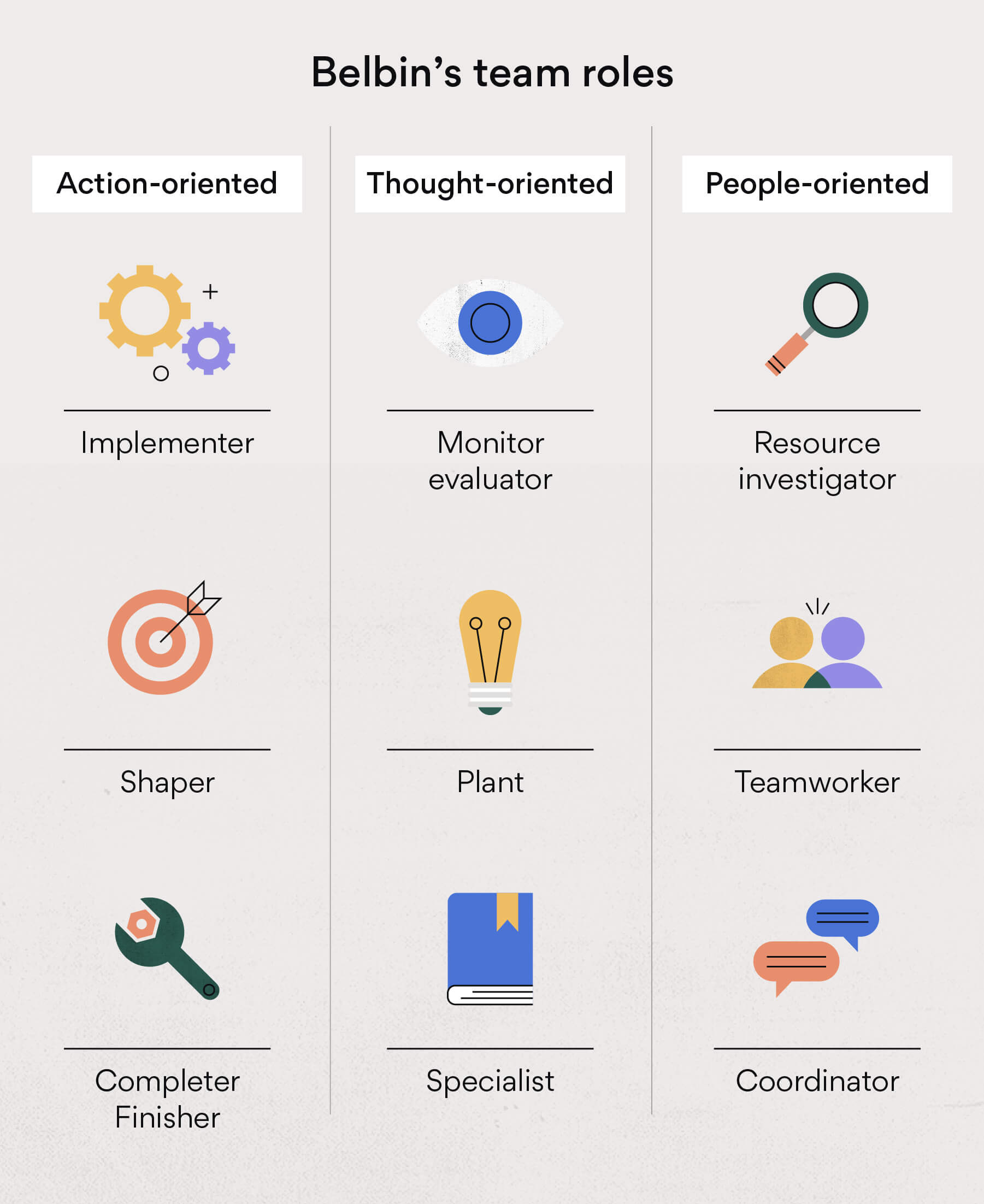
Team Roles 9 Types To Create A Balanced Team Asana
This team provides ongoing activities to provide goods or services.

. Understand the role and purpose of teams Assessment criteria 11 Define the purpose of teams 12 Explain types of teams in an organisation 13 Summarise the roles in a team using a recognised theory 14 Explain how members of a team affect team dynamics 15 Identify the advantages and disadvantages of team working and lone working. Words are only a small portion of how we communicate with one another. In addition to these four team types there could be many other types of teams.
Learn more about four different types of communication and how using them effectively can improve performance morale teamwork and success in your business. These teams come together to achieve a specific goal are guided by a well-defined project plan and have a negotiated beginning and. In this work team all the members belong to the same functional area and respond to a single manager responsible for the management of the whole.
Functional cross-functional and self. What are the different types of work teams. By Suzanne Lucas.
Updated on December 05 2019. They are formed to make sure that all back-office processes go smoothly. They are divided according to their function and they perform ongoing tasks for any organization.
Self Managed Teams - Self Managed Teams consist of individuals who work together again for a common purpose but without the supervision of any leader. You might use a variety of management styles in your professional life depending on various scenarios. Learn about the three different types of work teams.
Process improvement teams are project teams that focus on improving or developing specific business processes. There are various types of teams and their functions and objectives are also different. See details of each of them.
The team members of a self-managed team have more room for improvement and continuously upgrade their skills. Operational teams support other types of teams. The members of the self-directed team come together on their own with the minimum input from management.
Operational teams are often seen as the face of the organisation by people. The types of teams are discussed are below. Executive Team Command Team Project Teams Advisory Teams Work Teams Action Teams Sports Teams Virtual Teams Work Teams Self-Managed Team Parallel Teams Management Teams Managed Team.
Yet the value of other forms of communication is often overlooked. Your management style might inform others how you organize work make decisions plan and use authority. The output of the team should also be more than the sum of the output of each of the individuals.
A better understanding of decisions. Also It has been reported that self-managed teams can be 15-20 more productive than other types of teams. The purpose of creating teams is to provide a framework that will increase the ability of employees to participate in planning problem-solving and decision-making to better serve customers.
They come together to form an informal team and work together towards that goal. The focus of your organization may be on service quality cost value speed efficiency performance or any other similar goals but teams remain the central methodology of most organizations in the private non-profit as well as government sectors. For example the Human Resource department doesnt handle any projects but it has to perform candidate screening interviewing and recruiting.
Generally speaking the purpose of the management team is to successfully operate the organization it is heading with all that that entails as well as develop and execute a proper strategy for the future of the organization. Planning organizing staffing leading or directing and controlling an organization a group of one or more people or entities or effort for the purpose of accomplishing a goal. Management teams set more detailed objectives and development strategies plan operations allocate resources and co-ordinate the work of others.
Each individual brings their skillset to the table and adds to the overall efficiency of the team. 1- Functional work team. This is the typical top-down management approach that youll see in most organisations.
Managers from different departments work together to make strategic decisions for the whole company and in what direction it is going in. They have well- defined roles and responsibilities such as providing a domiciliary. 21 Explain the purpose of different types of teams Management.
The team members of self managed teams must respect each other and should never loose focus on their target. Team Models - Different types of teams Teams are the principal building blocks of the strategy of successful organizations. 4 Different Types of Teams 1.
21 Working Teams - Working teams are teams that are basic to any organization. A manager is responsible for everything and everyone reports to them. Explain the purpose of different types of teams.
Marketing teams Human Resource teams Finance Teams. Effective managers use different management styles to support their needs and goals at any given time. They provide day-to-day leadership and manage the boundaries between different functions.
Each of these different types of work teams has a specific purpose that justifies their creation according to each model. Work teams have become a popular way of organizing employees in organizations due to their benefits. Functional teams are permanent and include members of the same department with different responsibilities.
There are several different resource types within management. Here as the name suggests every individual is accountable for his individual performance.

Various Types Of Teams In Organizations Organizational Behavior Organization Cross Functional Team
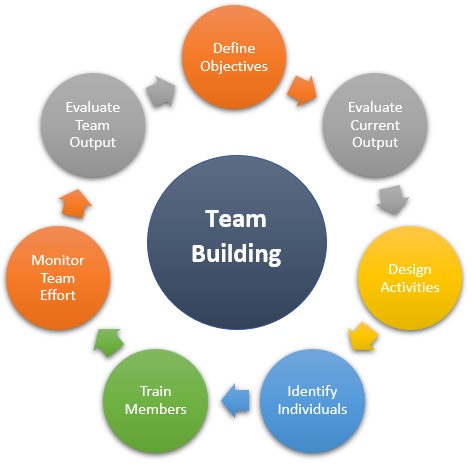
Team Building Meaning Importance Types Process Mba Skool
What Is A Team Types Of Teams Processes Asq

Comments
Post a Comment